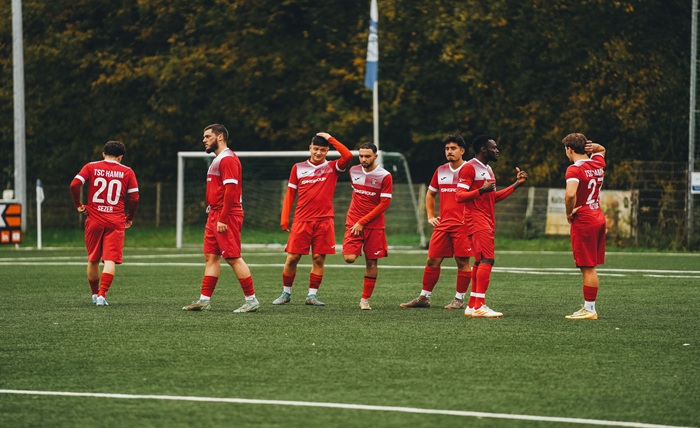
A football photograph can be sharp and still difficult to read. The player is squeezed against the edge, a bright sign dominates the background or the ball has disappeared outside the frame. Composition often matters before any editing begins, whether the picture ends up in a family album or beside a match report on 888bet.
Give movement somewhere to go
When a player runs across the scene, leave some space in front of them. The image then suggests the direction of play rather than making the action feel trapped.
A slightly wider frame may be more informative than a tight crop. Including a defender, a teammate or part of the pitch can explain why the moment matters.
Choose the background
Before concentrating on a single player, look behind the action. A busy fence or distracting object can compete with the subject. A small change in your own position may create a cleaner view.
Keep to areas where spectators are permitted and avoid blocking other people. A photograph is not improved by making the match harder for someone else to watch.
Anticipation is often better than chasing
Trying to follow every movement with a phone can leave the frame unsettled. Instead, choose a part of the action and wait for a useful relationship to appear within it.
You might watch a player receiving near the touchline or a group preparing for a restart. The aim is not to predict a particular result. It is to give yourself a clearer view of the likely movement and the space around it.
Take a moment to inspect the edges of the image before pressing the shutter. A distracting object at the border or a cropped foot can change how the photograph reads even when the central action looks good.
Use a wider frame as your starting point
A wide image preserves options. You can later crop it modestly if the main subject occupies too little space, while keeping the original record intact.
The reverse is harder. If an important opponent or the ball is outside the original frame, editing cannot recover the missing context. This matters especially when a caption discusses pressure, a passing option or a disputed action.
A useful sequence may include both a wider view and a closer moment. They serve different purposes: one explains the arrangement, while the other highlights a gesture. Neither needs to pretend to tell the complete story alone.
Separate atmosphere from evidence
A photograph of supporters, equipment or a quiet pitch can convey the experience of a matchday without documenting a sporting incident. Caption it accordingly.
For example, a crowd image taken before the game should not be presented as a reaction to a particular goal unless that is actually when it was made. A photograph can be expressive and accurate at the same time.
When sharing pictures of other people, consider what the image reveals and whether the setting is appropriate for the intended audience. Avoid publishing unnecessary personal details in a caption. These are sensible editorial choices rather than a reason to turn every ordinary photo into a lengthy investigation.
Review the series, not just the sharpest frame
After the game, compare a small selection. Which photograph lets a viewer understand what the subject was doing? Which has a clearer background? Which moment says something different from the others?
Several nearly identical images do not necessarily make a stronger story. A wide scene, a sporting interaction and an atmosphere photograph can create a more informative set.
Keep edits consistent enough that the pictures feel related, but do not force them into an exaggerated visual effect. Small adjustments should help the viewer see the action, not change its apparent circumstances.
A practical improvement routine is to choose one successful image and one disappointing one from the same day. Identify a specific reason for each outcome, such as available space or background clutter. That gives you something concrete to try at the next match, without assuming that a new phone is the answer to every photographic problem.
When selecting a final image, check it at the size people will actually see. A photograph that looks clear while enlarged may become confusing as a small preview. If the essential relationship disappears, choose a different frame rather than adding a caption that asks viewers to imagine the missing action.
Edit for clarity, not a different story
A modest crop can remove clutter. Straightening an accidental tilt can help the field look coherent. But changing the sequence or removing important context may give a misleading impression of what happened.
Keep the original image and choose a caption that describes the visible action. If the photo comes from an earlier match, make that clear.
A useful football photograph does more than freeze a gesture. It gives the viewer enough information to recognise the contest around it: direction, pressure, space and the next possibility just outside the frame.