Hair thinning rarely happens overnight. It may begin with more strands on the pillow, a widening parting, or a hairline that slowly looks different. These changes can become frustrating, especially when they continue despite regular grooming and hair care. The good news is that modern hair restoration offers several approaches designed to address different stages and patterns of hair loss.
For people considering hair loss treatment in Dubai, understanding the available options is a useful first step. It helps to understand why hair is thinning, what each treatment involves, and which approach may suit individual needs. This guide explores the journey from early thinning to regrowth in a simple and practical way.
Understanding Hair Thinning Before Choosing Treatment
Hair thinning can appear in different ways. Some people notice a gradual reduction in density, while others experience a receding hairline, thinning around the crown, or more widespread hair loss. Genetics, hormonal changes, age, certain health conditions, and other factors can influence the hair growth cycle.
Because every case is different, treatment should begin with understanding the nature and extent of hair loss. A professional consultation can help assess the scalp, existing hair, donor area, and individual concerns before considering a suitable treatment plan.
Modern Approaches to Hair Restoration
A clear understanding of the treatment journey can reduce uncertainty and help people prepare for hair restoration. Professional advice is especially useful when several options appear suitable, because the right choice should reflect the condition of the follicles and the desired outcome.
Early attention can be valuable when thinning is noticeable. Addressing concerns before extensive loss develops may provide more options for supporting existing hair, while advanced restoration procedures can address areas where density has already been significantly reduced.
-
PRP Therapy to Support Hair Growth
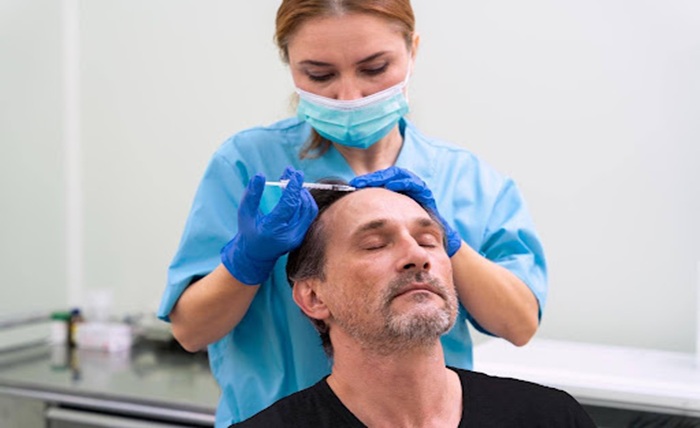
Platelet-Rich Plasma, or PRP, uses concentrated platelets from the patient’s own blood as part of a hair restoration approach. The treatment is intended to support hair follicles and encourage healthier growth. It may be considered for people experiencing thinning hair and can also complement other restoration approaches when recommended by a specialist.
-
Maxxi PRP for Enhanced Hair Care
Maxxi PRP is an advanced PRP-based approach focused on supporting hair growth and follicle health. By using concentrated components derived from the patient’s blood, the treatment aims to provide targeted support for thinning areas. Its suitability depends on individual hair loss patterns and professional assessment.
-
Exosome Therapy for Hair Restoration
Exosome therapy is a modern regenerative approach being explored to support hair and scalp health. Exosomes contain signalling components that may help support cellular activity around hair follicles. As with other treatments, professional evaluation is important to determine whether this approach is appropriate for a particular type of hair loss.
-
Micro FUE Advanced Hair Transplant
Micro FUE Advanced Hair Transplant is a minimally invasive procedure that involves extracting and implanting individual hair follicles. The technique focuses on precision and natural-looking restoration, making it suitable for people who need improved coverage in areas affected by hair loss.
-
Sapphire FUE for Precise Restoration
Sapphire FUE combines the FUE technique with sapphire blades used to create precise channels in the recipient area. This allows follicles to be placed carefully according to the desired direction and growth pattern. The approach supports natural-looking results while providing precise control during transplantation.
-
Realtime FUE for Careful Follicle Selection
Realtime FUE uses advanced monitoring during follicle extraction to help identify suitable grafts from the donor area. Careful selection and placement can support a personalised restoration plan. The technique is intended to improve precision while addressing individual requirements related to hair loss and available donor follicles.
Choosing Between Treatment and Transplant Options
Not every person experiencing hair thinning needs a transplant. Non-surgical treatments may be considered when existing follicles are still active, and the goal is to support healthier growth. A transplant may be considered when areas have significant thinning or baldness and suitable donor follicles are available.
For anyone researching hair treatment in Dubai, the decision should be based on the cause, pattern, and extent of hair loss rather than a single popular procedure. A specialist can explain suitable choices and realistic expectations.
Key Factors to Consider Before Treatment:
- Pattern and extent of existing hair loss
- Condition and availability of donor follicles
- Overall scalp and hair health
- Suitability of surgical or non-surgical treatment
- Expected timeline for visible results
Considering these points can make the treatment journey more informed. A professional consultation can also clarify which approach may offer the best path to healthier-looking, fuller hair.
Understanding the Path from Treatment to Regrowth
Hair restoration is a gradual process, not an instant transformation. With non-surgical treatments, changes in hair strength, density, or growth may develop progressively. After transplantation, the newly placed follicles also require time to settle and follow their natural growth cycle.
An initial shedding phase may occur after transplantation before new growth becomes visible. As the months progress, transplanted hair can gradually become thicker and more natural-looking. Following professional aftercare guidance and allowing sufficient time for the growth cycle are important parts of the process.
Setting Realistic Expectations for Hair Regrowth
Modern treatments can offer options for people dealing with hair thinning, but results vary from person to person. Factors such as the cause of hair loss, donor hair quality, treatment selection, and individual response can influence the outcome.
Restoring hair is not simply about increasing the number of strands. Natural direction, suitable density, and harmony with existing hair all contribute to the final appearance. Clear communication with a specialist can help patients understand what a particular treatment can realistically achieve.
Conclusion
Moving from hair thinning toward regrowth begins with understanding the cause and choosing a suitable treatment approach. Modern options such as PRP, Maxxi PRP, Exosome Therapy, Micro FUE, Sapphire FUE, and Realtime FUE provide different solutions based on individual hair restoration needs.
For individuals exploring hair treatment in Dubai, Cutis International Cosmetic Clinic offers advanced hair restoration solutions supported by modern techniques and personalised care. Its comprehensive approach helps patients address hair loss concerns while working toward fuller, healthier, and natural-looking hair.