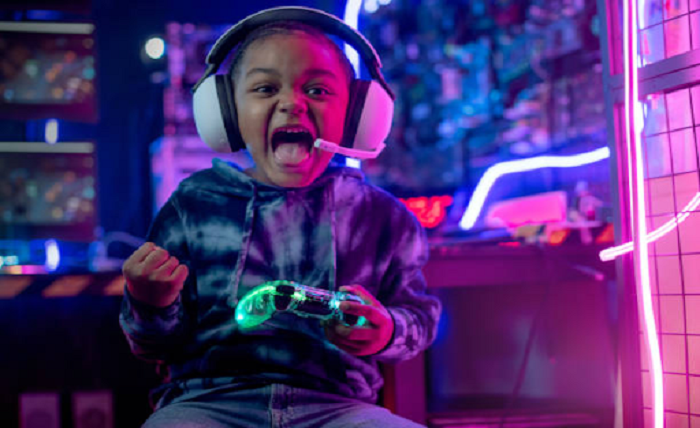
Online gaming has evolved far beyond a way to spend time alone in front of a screen. With connected platforms, multiplayer features, voice communication, and social tools, games have become digital spaces where people can meet, communicate, cooperate, and build lasting communities. The experience is no longer defined only by winning or completing a level. For many players, the people they play with are an equally important part of the experience.
Shared Play Creates Common Ground
One of the simplest ways online games bring people together is through shared objectives. Players may need to complete a mission, compete against another team, solve a challenge, or work toward a common goal. These activities create an immediate reason to communicate and cooperate.
Unlike traditional social platforms, gaming communities often develop around an activity rather than a personal profile. Players may begin as strangers but quickly find common ground through the game they enjoy. A successful match, difficult challenge, or memorable moment can become the starting point for further conversations and friendships.
This shared purpose gives digital communities a natural structure. Players are not simply exchanging messages; they are participating in the same experience.
Communication Turns Players Into Communities
Modern online slot gacor games provide multiple ways for players to communicate. Text chat, voice communication, team systems, emotes, and messaging tools can all support interaction during and outside gameplay.
Communication is especially important in cooperative games. Players may need to coordinate strategies, assign roles, share information, or respond quickly to changing situations. Over time, regular communication can create familiarity between players.
Some relationships that begin inside a game eventually continue through community forums, social networks, streaming platforms, or private group chats. In this way, gaming can become the starting point for broader digital social networks.
Communities Grow Around Shared Interests
A popular game can generate a community that extends well beyond its official platform. Players may create guides, discuss strategies, share gameplay clips, organize tournaments, or produce fan-created content.
These activities give community members different ways to participate. Someone who does not enjoy competitive play, for example, may prefer creating artwork, writing guides, discussing game updates, or watching others play.
This variety helps online gaming communities become more than groups of people who happen to play the same title. They can develop their own traditions, conversations, inside jokes, and creative cultures.
Competition Can Encourage Connection
Competition is another important part of many online communities. Multiplayer matches give players opportunities to test their skills against others, while rankings, tournaments, and team-based events can create a sense of shared achievement.
Healthy competition can encourage players to improve and exchange knowledge. Experienced players may share strategies with newcomers, while teams can develop their own communication styles and identities.
However, community quality depends heavily on how competition is managed. Toxic behavior, harassment, and excessive hostility can damage participation. Effective moderation and clear community standards are therefore important for maintaining welcoming digital spaces.
Events Give Communities Something to Celebrate
Online gaming communities often become especially active around major events. New content releases, seasonal updates, competitions, and community challenges can give players a shared reason to return.
These moments create collective experiences. Players may discuss new features before release, explore them together afterward, and compare their experiences. Special events can therefore strengthen the sense that community members are participating in something larger than an individual gaming session.
Streaming and content creation can amplify these moments. A player watching a tournament or livestream can feel connected to a wider audience even without directly participating in the game.
Technology Makes Communities More Accessible
The slot online development of faster internet connections, smartphones, cloud services, and cross-platform gaming has reduced some of the barriers to participation. Players can increasingly connect through different devices and communicate across locations.
This accessibility allows communities to form around interests rather than physical proximity. A player can potentially find teammates or friends who share the same interests despite living in another city or country.
At the same time, digital communities still require thoughtful design. Privacy controls, moderation tools, reporting systems, and appropriate communication settings can help make online interaction safer and more sustainable.
The Future of Shared Gaming
As gaming technology continues to develop, digital communities are likely to become even more integrated with the games themselves. More sophisticated social features, virtual environments, live events, and creator tools could provide additional ways for players to interact.
The most successful communities, however, will not necessarily be those with the most technology. They will be the ones that give people meaningful reasons to participate, communicate, and return.
Online gaming demonstrates that digital entertainment can also serve a social purpose. A match can become a conversation, a team can become a friendship group, and a shared interest can grow into a wider community. Through shared play, online games have created a new kind of social space—one where connection develops naturally alongside entertainment.